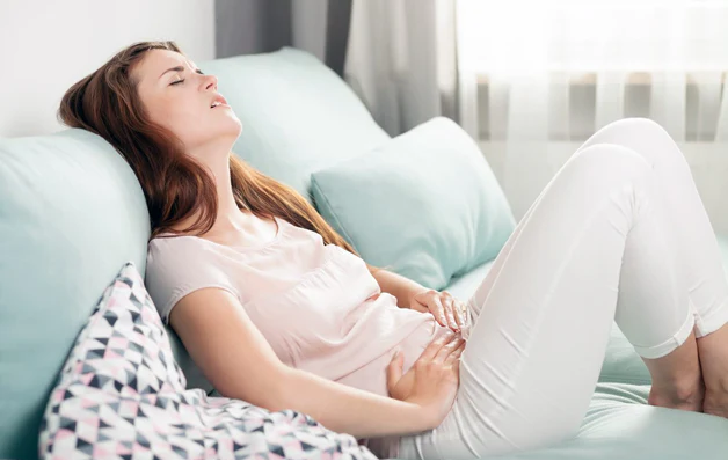
Menstrual cramps, also known as period pain or dysmenorrhea, are one of the most common menstrual problems experienced by women. While mild discomfort during periods is normal, some women experience cramps severe enough to interfere with daily activities, work, or school.
What Are Menstrual Cramps?
Menstrual cramps are painful sensations felt in the lower abdomen that occur before or during menstruation. The pain may be dull, aching, or cramp-like and can sometimes radiate to the lower back and thighs.
Cramps occur because the uterus contracts to help shed its lining during menstruation.
What Causes Menstrual Cramps?
The main cause of menstrual cramps is the release of prostaglandins . These are hormone-like substances produced by the uterine lining.
- Prostaglandins cause the uterus to contract and expel menstrual blood and tissues.
- Higher levels lead to stronger contractions
- Strong contractions reduce blood flow to the uterus, causing pain
Women with higher prostaglandin levels often experience more severe cramps.
What are the different Types of Menstrual Cramps?
Menstrual cramps, also known as Dysmenorrhea, are broadly classified into two types: Primary and Secondary.
Primary Dysmenorrhea
Menstrual cramps are said to be primary when no specific cause for the pain can be identified. This is the most common type and is caused by high levels of prostaglandins in the uterus. Prostaglandins are secreted by the uterine muscles and the contraction of the uterine muscles helps the uterus to shed the menstrual blood and tissues. Important characteristics are:
- Usually starts during teenage years
- Occurs without any underlying pelvic disease
- Pain typically begins a day or two before the period or with the onset of bleeding
- Improves with age, childbirth, or hormonal treatment
Secondary Dysmenorrhea
Menstrual cramps are said to be secondary when there is an underlying cause of the pain, like endometriosis, adenomyosis, fibroids and polyps in the uterus or pelvic Inflammatory Disease (PID) This craps and pain are caused by the underlying medical condition. Important characteristics are
- Pain often starts earlier in the cycle
- May worsen over time
- Pain may persist even after periods end
- Often associated with other symptoms such as heavy bleeding or irregular cycles
Which women are more at risk of getting menstrual cramps?
Women who are:
- Young women , especially those under the age of 30
- Women with a family history of painful periods
- Smoking
- Heavy periods
- Irregular periods
- never having had a baby
- reaching puberty at an early age – before age 11
Common Causes of Secondary Menstrual cramps:
- Endometriosis – This is a condition in which tissue similar to the uterine lining grows outside the uterus – on the uterine lining, ligaments, surface of the ovaries and ligaments. This tissue bleeds during the period, causing severe pain.
- Adenomyosis – Adenomyosis is a condition in which the uterine lining grows into the uterine muscle
- Pelvic infections –PID is an infection of the uterus, fallopian tubes, or ovaries that cause inflammation of the reproductive organs and pain. It is often caused by sexually transmitted bacteria like Chlamydia.
- Fibroids – are benign tumors in the uterine muscles
- Intra-Uterine Devices (IUDs) – IUDs are contraceptive devices placed inside the uterus to prevent pregnancies. They may increase cramping in some women
When Do Menstrual Cramps Occur?
- Pain may begin 1–2 days before the period
- Pain is usually strongest during the first 1–2 days of bleeding
- In most women, cramps gradually reduce as the period progresses
- In some women, pain may last throughout the period
How painful is too painful for menstrual cramps?
Period pain is said to be too painful when it disrupts your daily life (missing work/school), doesn’t respond to over-the-counter pain relief, worsens suddenly, or comes with heavy bleeding, large clots, fever, diarrhea, or pain outside your period, signaling potential issues like endometriosis or infection that needs a doctor’s evaluation.
What does a period pain feel like?
- Cramping (sharp or aching) in the lower abdomen, back, or legs.
- Pain that peaks around day 1-2 and subsides within a few days.
- Pain that feels like waves or throbbing.
What other Symptoms are Associated With Menstrual Cramps?
Menstrual cramps may be accompanied by:
- Lower back pain
- Pain radiating to the thighs
- Nausea or vomiting
- Headache
- Fatigue
- Diarrhea or bloating
- Mood changes
Menstrual Cramps at Different Life Stages
- Teenage Years – Common and usually primary. It often improves with time
- Reproductive Years – May be influenced by lifestyle, stress, or underlying conditions
- Later Reproductive Age – New-onset pain should be evaluated to rule out secondary causes
Diagnosis of the Cause of Menstrual Cramps.
Diagnosis of the cause of menstrual cramps may include:
- Detailed history & symptom map: menstrual cycle pattern, pain timing, flow volume, medicines, family history.
- Pelvic exam: to check for tenderness, masses or signs of infection.
- Pelvic ultrasound: a safe, non-invasive test to look for fibroids, ovarian cysts, or signs of adenomyosis.
- Blood tests: CBC (to check for anemia), thyroid profile, and hormones if indicated.
- Advanced tests: MRI or diagnostic laparoscopy only if the initial evaluation suggests the necessity.

How are Menstrual Cramps treated?
Treatment is based on its severity, underlying cause, and the woman’s age and reproductive goals
- Lifestyle and Home-Based Measures
These are often the first line of treatment for mild to moderate period pain.
- Heat therapy: Using a heating pad or hot water bottle over the lower abdomen helps relax uterine muscles and reduce cramps.
- Regular physical activity: Light exercise, walking, yoga, or stretching improves blood flow and reduces pain.
- Yoga and stretching exercises
- Adequate rest and sleep
- Stress reduction: Relaxation techniques such as meditation or deep breathing can help regulate hormonal responses.
- Balanced diet: Limiting caffeine, salty foods, and junk food before periods may reduce bloating and discomfort. Reducing intake of salt, alcohol, caffeine, and sugar to decrease bloating
- Pain-Relieving Medications
Medications are effective when taken at the right time and dosage.
- Non-steroidal anti-inflammatory drugs (NSAIDs) such as ibuprofen or mefenamic acid reduce prostaglandin production, which is the main cause of menstrual cramps.
- These medications work best when started at the onset of pain or just before the period begins.
- Hormonal Treatment
Hormonal therapy is helpful for women with severe or recurrent pain.
- Oral contraceptive pills regulate hormones and reduce the thickness of the uterine lining, leading to lighter and less painful periods.
- Hormonal intrauterine devices (IUDs) often reduce both pain and menstrual bleeding.
- Progesterone-based treatments may be advised in specific cases.
- Treatment of Underlying Causes
If period pain is due to an underlying condition (secondary dysmenorrhea), treating the cause is essential.
- Endometriosis: Managed with hormonal therapy or surgery if needed
- Fibroids: Medical or surgical treatment depending on size and symptoms
- Pelvic infections: Antibiotic treatment
- Adenomyosis: Hormonal therapy or other targeted treatment
- Nutritional Supplements
Some women benefit from:
- Calcium
- Magnesium
- Vitamin B1 or B6
- Omega-3 fatty acids
These may help reduce muscle contractions and inflammation, but should be taken under medical guidance.
When Should You See a Doctor?
Medical evaluation is advised if:
- Pain is severe or worsening. Painkillers (NSAIDs) don’t help, or the pain gets worse over time.
- Pain interferes with daily activities – pain so severe you can’t go to school, work, or do normal activities.
- Pain does not improve with medication
- Menstrual cramps associated with infertility.
- Menstrual Cramps begins suddenly in adulthood – Severe cramps start after age 25, or your usual pain suddenly worsens.
- Menstrual cramps associated with heavy or irregular bleeding
- Heavy bleeding or large blood clots.
- Nausea, vomiting, or diarrhea with cramps.
- Fever or foul-smelling vaginal discharge.
- Pain that continues even when you don’t have your period.
- Signs of Infection: Sudden pelvic pain, especially if you might be pregnant, with fever.
Frequently Asked Questions (FAQs) – Menstrual Cramps
- Are menstrual cramps normal?
Yes. Mild to moderate cramps during periods are common and normal.
- Why are my menstrual cramps so painful?
Severe cramps may be due to high prostaglandin levels or an underlying condition such as endometriosis or fibroids.
- Can menstrual cramps be cured permanently?
Primary cramps can be managed effectively. Secondary cramps improve when the underlying cause is treated.
- Do birth control pills help with menstrual cramps?
Yes. Hormonal contraceptives often reduce pain by regulating hormones and reducing uterine contractions.
- Does exercise really help with period pain?
Yes. Regular exercise improves circulation and releases natural pain-relieving hormones.
- Can stress worsen menstrual cramps?
Yes. Stress can increase pain perception and hormonal imbalance.
- When should period pain be taken seriously?
Pain should be evaluated if it is severe, persistent, or interferes with daily life.
- Can Menstrual Cramps Affect Fertility?
Menstrual cramps themselves do not affect fertility. However, conditions causing secondary dysmenorrhea—such as endometriosis—may impact fertility if left untreated.
Menstrual cramps are a common part of menstruation for many women. While mild pain is usually normal, severe or persistent cramps should never be ignored. Early evaluation and appropriate treatment can significantly improve quality of life and overall reproductive health.