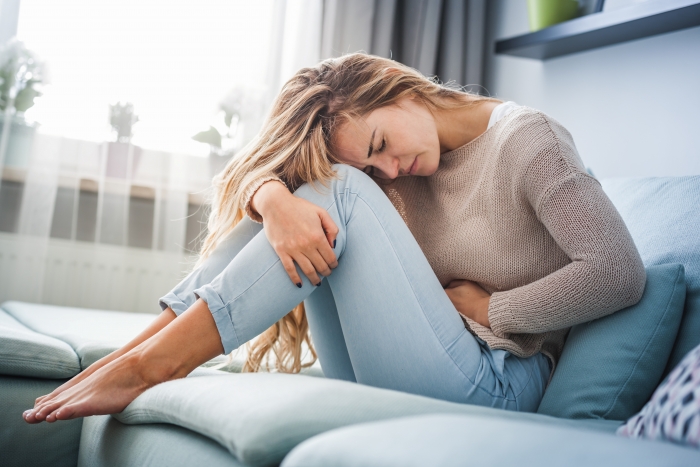
Painful periods, also called dysmenorrhea, are very common .
Some discomfort or pain is normal during the periods, but intense pain that affects daily life, interfere with work, school, or daily activities is not normal and needs to be evaluated.
What causes painful periods?
There are two types of painful periods or dysmenorrhea: Primary and Secondary. Each type has different causes.
Primary dysmenorrhea: This is the most common kind of period pain. It is generally seen in young girls and may get better after childbirth.
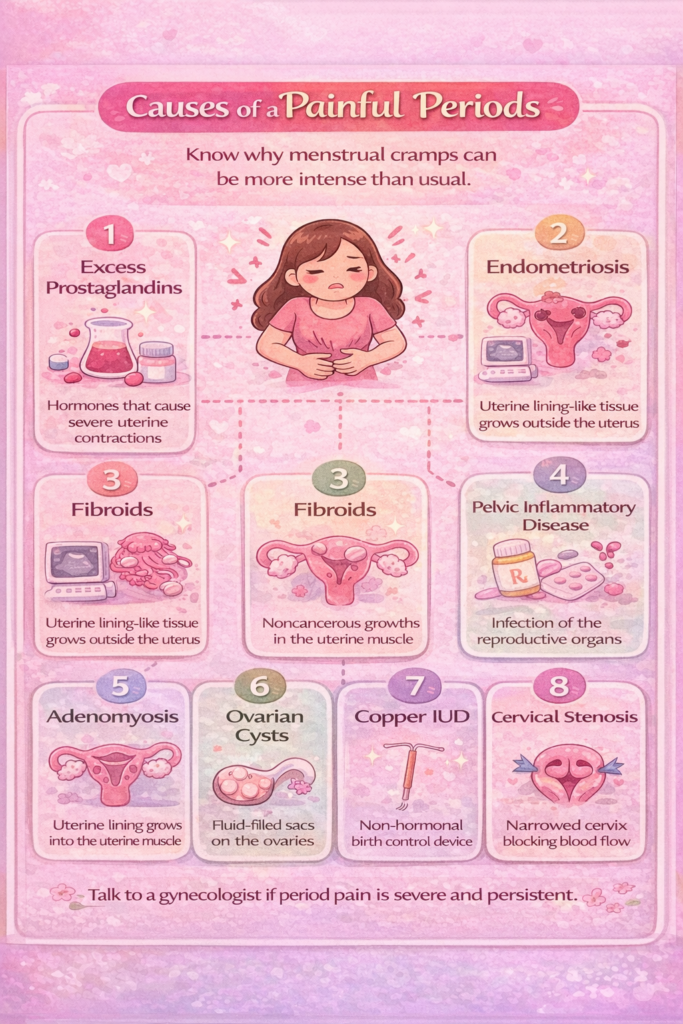
It is generally caused by high levels of a hormone called prostaglandin which is secreted in the uterine muscles during the periods. Prostaglandin causes contraction of the muscles and helps to expel the menstrual blood. In some cases, prostaglandin secretion may be quite high and can cause acute pain.
Prostaglandins make the muscles of your uterus tighten and relax, causing the typical menstrual cramps.
The pain may begin one or two days before the period and usually lasts for a few days, although in some women it can persist for longer.
Secondary dysmenorrhea – Secondary dysmenorrhea starts later in life. The pain is secondary to conditions that affect your uterus or other reproductive organs. This kind of pain often gets worse over time. It may begin before your period starts and continue after your period ends. Common conditions are:
- Endometriosis– where tissue similar to the uterine lining grows outside the uterus
- Adenomyosis– when the uterine lining grows into the uterine muscle.
- Pelvic infections, including sexually transmitted diseases like Chlamydia trachomatis.
- Tumors in the uterus like Fibroids.
- Intra-uterine devices like Copper T may increase cramping in some women
What are some common symptoms of painful periods?
- Throbbing or cramping pain in the lower abdomen.
- Pain radiating to the lower back or thighs.
- Can include nausea, diarrhea, constipation, headaches, or fatigue.
How are the causes of painful periods diagnosed?
Diagnosis of the cause of painful periods may include:
- Detailed pain history
- Pelvic ultrasound
- MRI in suspected endometriosis/adenomyosis
- Pelvic examination
- Laparoscopy in selected cases -only in selected cases of suspected severe endometriosis
How are painful periods treated?
The best treatment for period pain depends on whether the pain is primary (normal menstrual pain) or secondary (caused by an underlying condition). Most women respond well to a combination of lifestyle changes and medications.
1.Home Remedies for Period Pain
Heat Therapy – Applying a heating pad or hot water bottle to the lower abdomen relaxes uterine muscles and reduces cramps.
Exercise and Movement – Light physical activity such as walking, yoga, or stretching improves blood circulation and reduces pain.
Rest and Stress Reduction – Adequate sleep, relaxation techniques, meditation, and deep breathing help regulate hormones and ease pain.
Dietary Changes – Reducing caffeine, salty foods, and processed foods before periods may help reduce bloating and discomfort.
2.Painkillers for Period Pain
NSAIDs (Non-Steroidal Anti-Inflammatory Drugs) – Medications like ibuprofen and mefenamic acid are commonly used for menstrual cramps.
- They reduce prostaglandins, the chemicals responsible for uterine contractions
- Most effective when taken at the start of pain or just before periods.
- Hormonal Treatment for Period Pain
Hormonal treatments help regulate menstrual cycles and reduce pain.
- Oral contraceptive pills reduce ovulation and thin the uterine lining
- Hormonal IUDs often reduce both pain and bleeding
- Progesterone-based therapy may be recommended in selected cases
Hormonal treatment is especially useful for women with severe or recurring pain.
- Treatment of Underlying Causes of Severe Period Pain
Severe or worsening period pain may be due to secondary dysmenorrhea, caused by medical conditions such as:
- Endometriosis
- Fibroids
- Adenomyosis
- Pelvic infections
Treating the underlying condition is essential for long-term pain relief and may involve medication or surgery.
- Vitamins and Supplements for Period Pain
Some women may benefit from:
- Calcium
- Magnesium
- Vitamin B1 or B6
- Omega-3 fatty acids
These supplements may help reduce inflammation and muscle contractions but should be taken with medical advice.
When Should You See a Doctor for Period Pain?
You should consult a gynecologist if:
- Pain is severe or worsening
- Pain interferes with daily activities
- Pain does not improve with painkillers
- Pain starts suddenly in adulthood
- Pain is associated with heavy or irregular bleeding
Frequently Asked Questions (FAQs)
1.Is period pain normal?
Yes. Mild to moderate pain or cramping during periods is common and usually normal, especially in the first one to two days of bleeding. It is caused by uterine contractions that help shed the uterine lining.
2.What causes period pain?
Period pain is mainly caused by prostaglandins, hormone-like substances that trigger uterine contractions. Higher prostaglandin levels lead to stronger contractions and more pain.
3.When should period pain be a cause for concern?
You should consult a doctor if the pain is severe, worsens over time, does not improve with painkillers, or interferes with daily activities, work, or school.
4.Can period pain be cured permanently?
Primary period pain cannot always be cured, but it can be effectively managed. Secondary period pain improves when the underlying cause is treated.
5.What is the difference between primary and secondary dysmenorrhea?
- Primary dysmenorrhea: Common menstrual pain without an underlying disease, usually starting in teenage years.
- Secondary dysmenorrhea: Pain caused by an underlying condition such as endometriosis, fibroids, or pelvic infection.
6.Why is my period pain so severe?
Severe period pain may be caused by conditions such as endometriosis, fibroids, adenomyosis, or pelvic infections. This type of pain is called secondary dysmenorrhea and needs medical evaluation
7.Can period pain start later in life?
Yes. Pain that begins for the first time in adulthood may suggest secondary dysmenorrhea and should be evaluated to rule out conditions like endometriosis or adenomyosis.
8.Can lifestyle changes help reduce period pain?
Yes. Regular exercise, adequate sleep, stress reduction, a balanced diet, and limiting caffeine and junk food may help reduce menstrual pain.
9.Do home remedies really help with period pain?
Home remedies such as heat therapy, warm baths, gentle stretching, yoga, and relaxation techniques can provide significant relief for many women.
10.Does exercise really help with period pain?
Yes. Regular physical activity helps reduce cramps by improving blood flow and releasing natural pain-relieving hormones.
11.Are painkillers safe for menstrual pain?
Common painkillers like ibuprofen or mefenamic acid are effective when taken correctly. However, frequent or prolonged use should be under medical guidance.
12.Can period pain affect fertility?
Period pain itself does not affect fertility. However, conditions that cause severe pain—such as endometriosis or pelvic infections—may impact fertility if left untreated.
13. What is the best treatment for period pain?
The best treatment for period pain includes heat therapy, pain-relieving medications like NSAIDs, regular exercise, and stress reduction. Severe or persistent pain may require hormonal treatment.
14. Do birth control pills help with period pain?
Yes. Hormonal contraceptive pills help regulate hormones, reduce ovulation, and thin the uterine lining, leading to lighter and less painful periods.
15.Which painkiller is best for period pain?
NSAIDS painkiller like Ibuprofen or Mefenamic acid ibuprofen or mefenamic acid are commonly used because they reduce prostaglandins, the chemicals that cause menstrual cramps and are very helpful. Your doctor can also give you prescriptions form muscle relaxants like Dicyclomine which are very effective.
16. Are supplements helpful for menstrual cramps?
Some supplements such as calcium, magnesium, vitamin B1, vitamin B6, and omega-3 fatty acids may help reduce cramps, but they should be taken under medical guidance.
17. When should I see a gynecologist for period pain?
You should seek medical advice if you have:
- Severe or worsening pain. Self-care measures don’t help, and the pain interferes with your life
- Pain not relieved by medication like NSAID painkillers.
- Pain with heavy or irregular bleeding.
- Your cramps suddenly get worse
- You are over 25 and you get severe cramps for the first time
- Pain associated with fever, vomiting, or infertility.
You should not ignore severe menstrual pain; early evaluation and treatment can greatly improve quality of life.